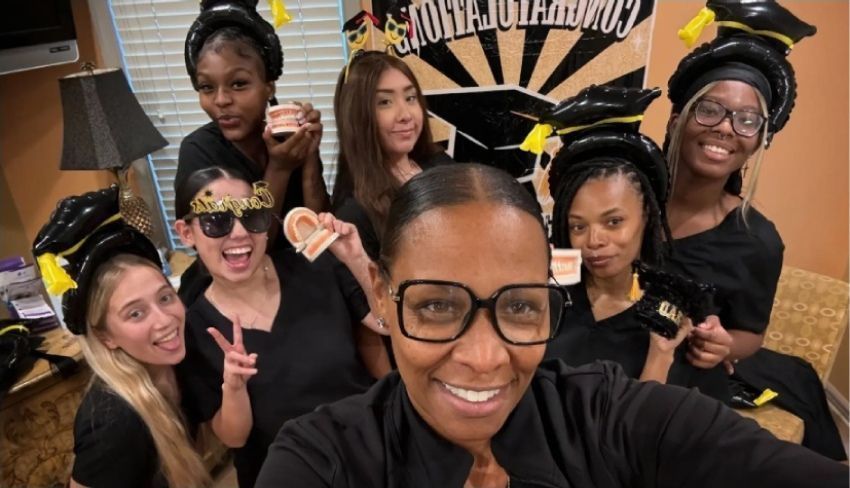
One common concern among prospective students is whether prior dental experience is required. The good news is: no prior experience is typically necessary to enroll in a quality dental assistant program. At Colorado Springs Dental Assistant School (modeled after Zollege’s standards), beginners can be accepted and succeed—provided they bring enthusiasm, commitment, and willingness to learn. What matters more than experience is readiness to engage with theory, labs, and real clinical work.
Programs in Colorado Springs follow the standard accelerated model: theory delivered via online or classroom modules, hands-on lab practice in clinical settings, and an externship component that provides real-world experience. Students often begin without prior exposure and progress rapidly.
Why Experience Usually Isn’t Required
-
The curriculum is designed to teach foundational and intermediate skills from scratch.
-
The hands-on lab and externship phases guide students through necessary tasks under supervision.
-
The selection criteria often emphasize soft skills (communication, dependability) over technical experience.
-
Most programs include structured support, coaching, and remediation to help beginners keep pace.
What Helps Even Without Experience
While experience isn’t mandatory, certain attributes and preliminary actions can give you a head start:
-
Basic knowledge of anatomy or biology
-
Good listening, reading, and comprehension skills
-
Comfort with manual dexterity and fine motor tasks
-
Professional attitude and accountability
-
Willingness to ask questions, get feedback, and practice repeatedly
What You’ll Be Taught from Scratch
Even if you begin with no prior experience, the program will cover:
-
Infection control, sterilization, cross-contamination protocols
-
Dental anatomy, terminology, and physiology
-
Chairside assisting techniques and instrument handling
-
Radiography fundamentals and safety (in states where permitted)
-
Taking impressions, pouring models
-
Operatory setup, suction, moisture control
-
Administrative tasks: charting, scheduling, digital record systems
-
Patient care, communication, and comfort techniques
How the Program Supports Beginners
The program manager would say:
“We anticipate many students begin with no clinical background. That’s why we scaffold learning—starting simple and building complexity in labs and externship.”
Chris Lofton would emphasize:
“We believe in creating opportunity for newcomers—our curriculum is built so beginners can thrive, not struggle.”
Strategies to help include:
-
Scheduled review sessions and lab practice
-
Instructor office hours or remediation time
-
Peer study groups
-
Gradual exposure to real patient scenarios with supervision
FAQs
Will I be at a disadvantage without experience?
Not necessarily. Entry-level students often find strength in learning fresh techniques and being receptive to coaching.
Do employers prefer experienced assistants?
Some do—but many will hire well-trained new graduates who demonstrate professionalism, competence, and eagerness.
How long does it take for a beginner to become job-ready?
In accelerated programs (e.g. 12 weeks), students are trained and assessed to be ready for entry-level roles immediately after graduation.
No prior experience is required to enroll in a dental assistant program at Colorado Springs or many other quality schools. With structured training, support, and determination, beginners can become competent, confident dental assistants ready to start meaningful careers in months.